桥架载流量暗账
很多人算桥架只算“能塞几根电缆”,却忽略了另一本账:电缆塞进去之后,载流量会悄悄打折。桥架不是被动铁槽,它直接参与散热,选错结构、塞太满、挨着热源,电缆实际能带的电流会比手册值低一大截。
Many people only calculate the number of cables that can be plugged into the bridge frame, but overlook another account: after the cables are plugged in, the current carrying capacity will quietly decrease. The cable tray is not a passive iron trough, it directly participates in heat dissipation. If the wrong structure is selected, the plug is too full, or it is adjacent to a heat source, the actual current that the cable can carry will be much lower than the manual value.
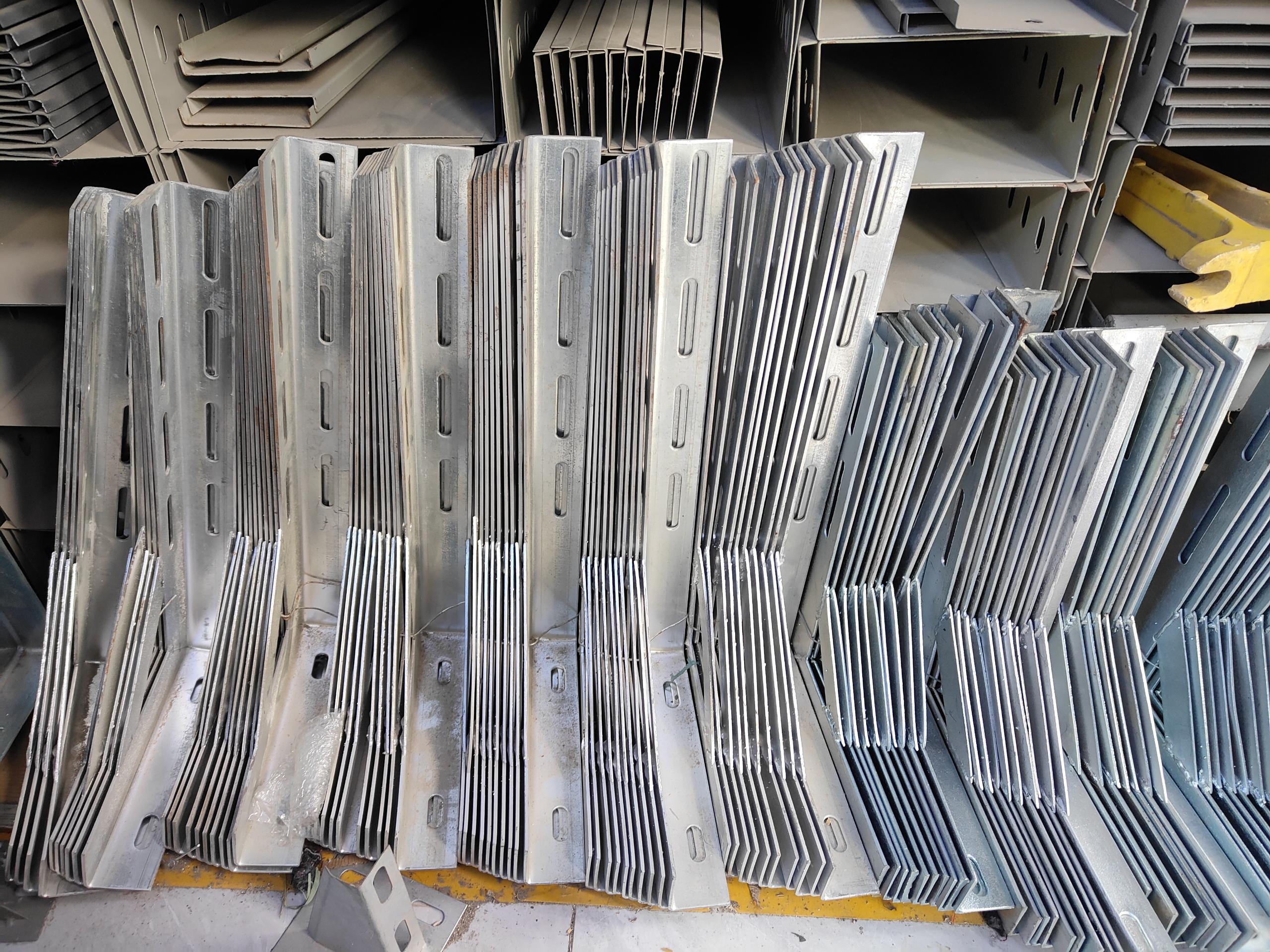
先说填充率。工程上通用控制线:电力电缆占桥架内截面不超40%,控制电缆不超50%。留出的空间不是浪费,是给空气对流和后期加线用的。塞到70%以上,热量散不出去,绝缘老化速度成倍涨,夏天负荷高峰容易跳闸。
Let's talk about the filling rate first. General control lines in engineering: The proportion of power cables in the cross-section of the bridge shall not exceed 40%, and the proportion of control cables shall not exceed 50%. The space left is not a waste, it is for air convection and later adding lines. If it reaches more than 70%, the heat cannot be dissipated, the insulation aging rate increases exponentially, and it is easy to trip during peak loads in summer.
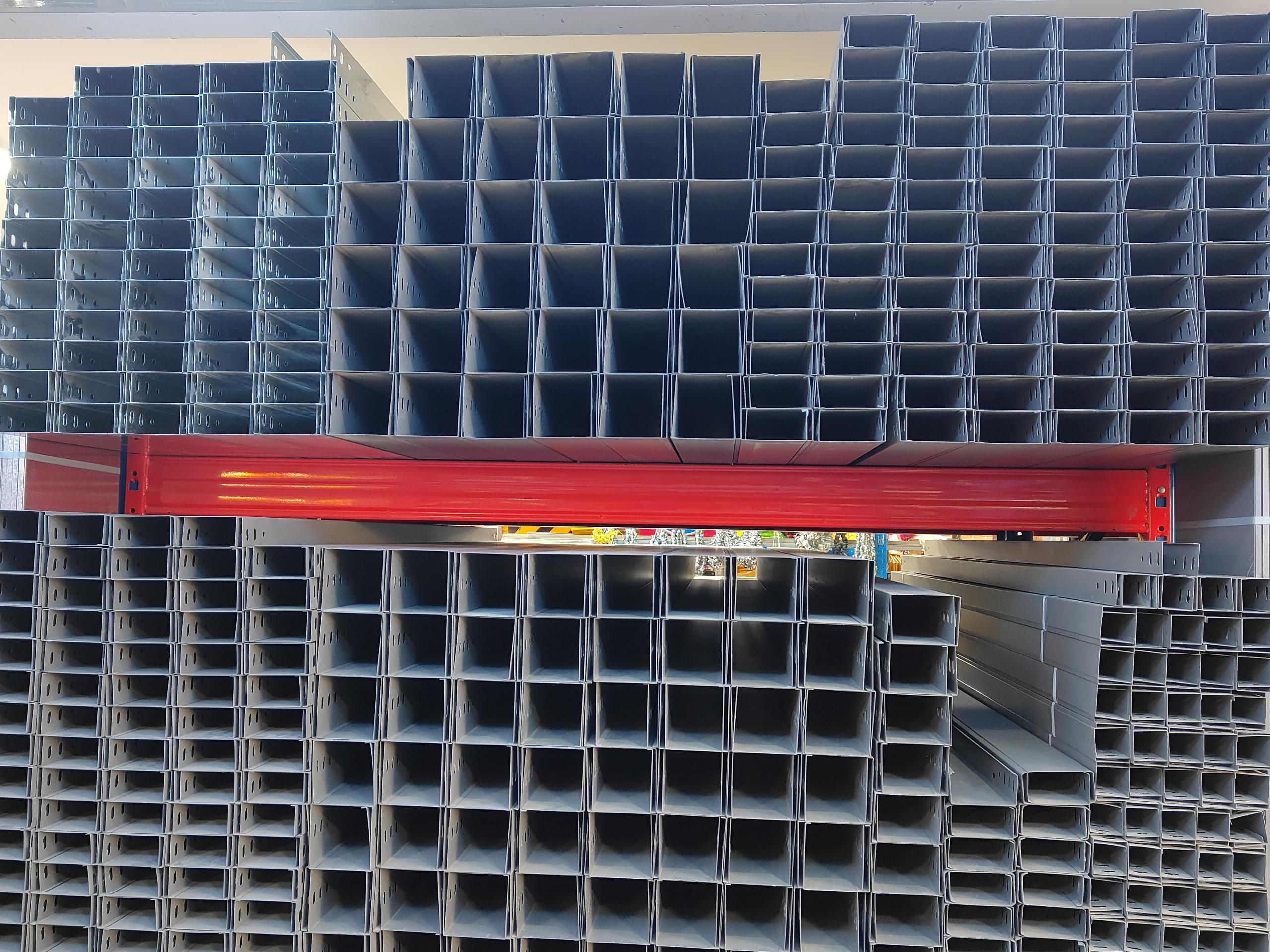
再说结构影响降容。槽式全封闭,防护好但散热差,里面敷大截面动力电缆要做15%—30%的载流量修正;托盘式底板冲孔,通风居中,是动力+控制混敷的常用解;梯式镂空较大,散热较好,适合大直径主干电缆。把梯式换成槽式不放坡、不降容,看着规整,实际是在挤电缆寿命。
Moreover, the structural impact reduces capacity. The trough type is fully enclosed, with good protection but poor heat dissipation. When laying large section power cables inside, a current carrying capacity correction of 15% -30% is required; Tray type bottom plate punching, ventilation centered, is a common solution for power+control mixed application; The ladder style hollow is relatively large, with good heat dissipation, suitable for large-diameter backbone cables. Replacing the ladder type with a trough type without sloping or reducing capacity may look neat, but in reality, it is squeezing the lifespan of the cable.
第三笔账是环境与并列。电缆载流量表默认是25℃单根空气敷设,现场几乎不满足:桥架多层叠放、电缆紧密并列,彼此加热,校正系数往下乘;靠近热力管道平行距离不够(应≥1m,交叉≥0.5m),温度再叠一层;竖井、吊顶、密闭管廊里,散热条件更差。这三个系数连乘之后,原选截面可能就偏小了。
The third account is environmental and parallel. The cable current carrying capacity meter defaults to a single air laying at 25 ℃, which is almost not met on site: the cable tray is stacked in multiple layers, the cables are tightly parallel, heated to each other, and the correction factor is multiplied downwards; If the parallel distance near the thermal pipeline is not enough (should be ≥ 1m, cross ≥ 0.5m), the temperature should be stacked one layer more; In vertical shafts, suspended ceilings, and enclosed pipe corridors, the heat dissipation conditions are even worse. After multiplying these three coefficients, the original selected cross-section may become smaller.
转弯半径也藏损耗。电力电缆转弯一般不小于15倍外径,控制电缆不小于10倍。现场图省事切直角,电缆内侧绝缘层长期受挤,局部温升偏高,时间久了薄弱点先出问题。
The turning radius also hides losses. The turning of power cables is generally not less than 15 times the outer diameter, and the turning of control cables is not less than 10 times. The on-site diagram saves time by cutting right angles. The insulation layer on the inside of the cable has been squeezed for a long time, and the local temperature rise is too high. Over time, weak points will first have problems.
验收时别只拿卡尺量板厚。带红外测温仪跑一遍:满负荷运行两小时,桥架内电缆表皮温度是否异常;看多层桥架层间有没有留150mm以上间距;查跨接接地和防火封堵是否完整——封堵破了,火灾时烟和火顺着桥架井道跑,前面载流量算再准也白搭。
Don't just use a caliper to measure the thickness of the board during acceptance. Run once with an infrared thermometer: after running at full load for two hours, check if the temperature of the cable skin inside the bridge is abnormal; Check if there is a spacing of at least 150mm between the layers of the multi-layer bridge structure; Check if the cross grounding and fire sealing are complete - if the sealing is broken, smoke and fire will run along the bridge shaft during a fire, and no matter how accurate the current carrying capacity calculation is, it will be useless.
桥架选型的顺序应该是:先列电缆清单和发热量,再定结构和填充率,然后校载流量,非常后才看材质和板厚。反过来只比“每米多少钱”,省的是眼前,透支的是整栋楼的电安全。
The order of cable tray selection should be: first list the cable list and heat generation, then determine the structure and filling rate, then calibrate the current carrying capacity, and finally look at the material and plate thickness. On the other hand, compared to 'how much per meter', what is saved is the immediate situation, and what is overdrawn is the electrical safety of the entire building.
本文由山东电缆桥架友情奉献.更多有关的知识请点击:http://www.sdhangfeng.com我们将会对您提出的疑问进行详细的解答,欢迎您登录网站留言.
This article is a friendly contribution from Shandong Cable Bridge For more information, please click: http://www.sdhangfeng.com We will provide detailed answers to your questions. You are welcome to log in to our website and leave a message
下一篇:
相关文章 / Recommended news
 托盘式电缆桥架选用指南是什么?
 镀锌桥架接受着实际场景的严苛检验在哪?
 网格桥架配件安装注意哪些事项?
 电缆桥架防火性能是如何体现的?
- 电缆桥架内部电缆的布线方式有哪些?