梯式与槽式电缆桥架如何选?看懂结构差异不踩坑!
工程布线中,梯式与槽式是使用率非常高的两种电缆桥架类型,很多施工人员仅凭经验选型,导致散热不足、防护不够、施工不便等问题,直接影响整体工程验收效果。两种桥架结构设计截然不同,适配的电缆类型、使用场景、防护需求各有侧重,理清二者的核心区别,才能科学选型、适配工况,让布线系统更安全、更耐用、更合规。
In engineering wiring, ladder-type and groove-type are the two most widely used cable tray types. Many construction personnel select types only by experience, resulting in insufficient heat dissipation, inadequate protection and inconvenient construction, which directly affect the overall project acceptance effect. The two types of trays have completely different structural designs with different emphases on adapted cable types, usage scenarios and protection needs. Clarifying their core differences can realize scientific selection and working condition adaptation, making the wiring system safer, more durable and more compliant.
梯式电缆桥架采用镂空梯状结构,非常大优势是通透散热、自重轻便、检修便捷。镂空结构无遮挡,动力电缆运行产生的热量可快速散发,巧妙解决大电流、大功率电缆积热过热难题,有效降低线路老化与短路风险。同时梯式结构承载力强、加固性好,适合大跨度架空敷设,广泛用于厂房主电路、机电动力线路、户外输电、竖井垂直布线等场景,方便施工人员随时观察线路状态、检修更换线缆。
Ladder-type cable trays adopt a hollow ladder structure, with the greatest advantages of transparent heat dissipation, light weight and convenient maintenance. The unobstructed hollow structure can quickly dissipate the heat generated by the operation of power cables, perfectly solving the problem of overheating accumulation of high-current and high-power cables, and effectively reducing the risk of circuit aging and short circuit. Meanwhile, the ladder structure has strong bearing capacity and good reinforcement performance, suitable for large-span overhead laying, and is widely used in factory main circuits, electromechanical power circuits, outdoor power transmission and shaft vertical wiring scenarios, allowing construction personnel to observe circuit status and repair and replace cables at any time.
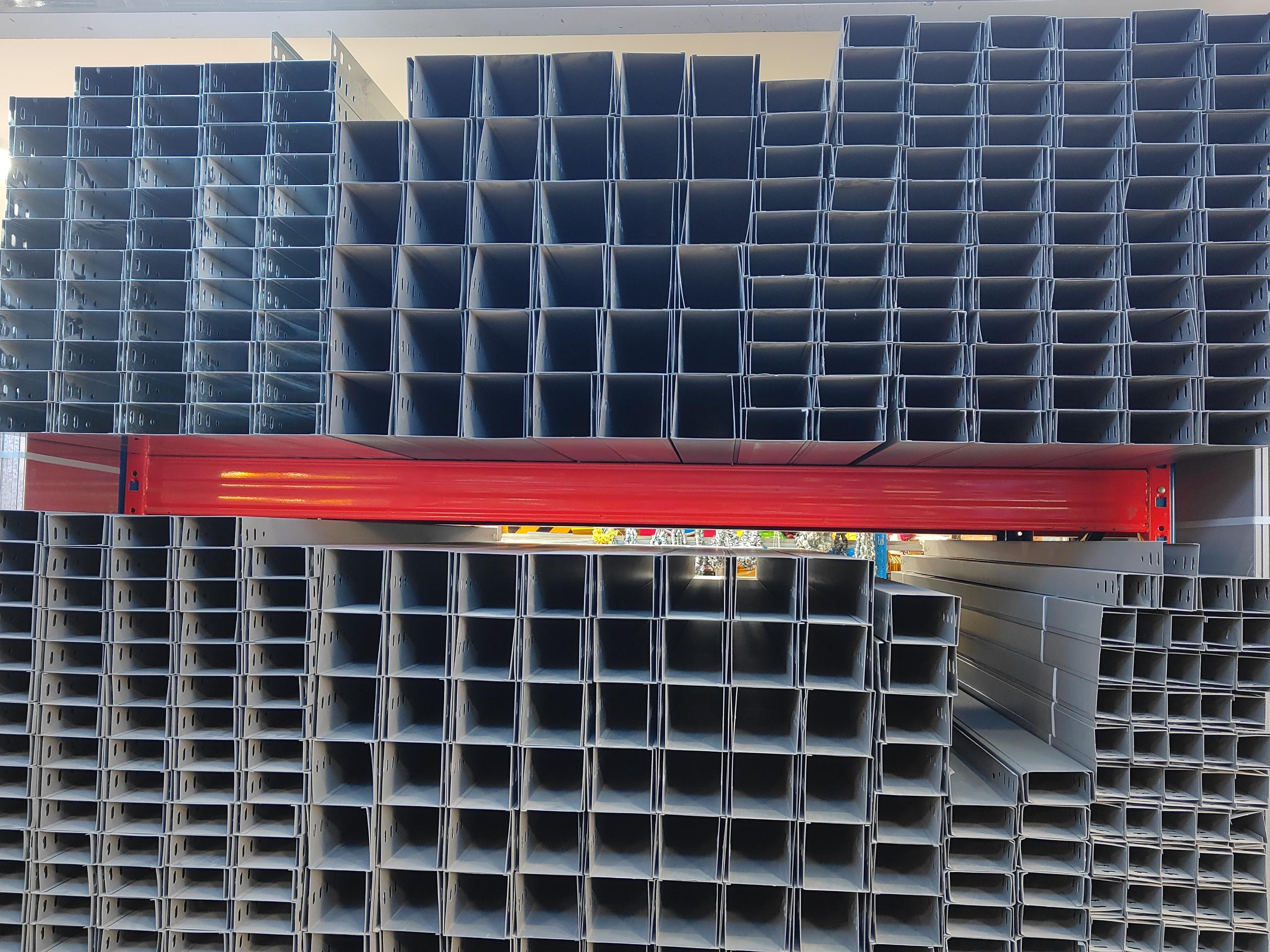
槽式电缆桥架为全封闭整体结构,防尘、防鼠害、防腐蚀、抗干扰性能拉满,主打全方位封闭防护。整体封闭式设计可以完全隔绝灰尘、水汽、酸碱杂质与外力破坏,杜绝鼠虫啃咬线缆,同时有效屏蔽外界电磁干扰,保障弱电信号稳定传输。更适配机房弱电布线、精密仪器线路、写字楼封闭布线、潮湿多尘车间等场景,能够全方位保护精细弱电线路,避免信号紊乱、线路破损故障。
Groove-type cable trays adopt a fully enclosed overall structure with excellent dustproof, rat-proof, anti-corrosion and anti-interference performance, focusing on all-round closed protection. The fully enclosed design can completely isolate dust, water vapor, acid-base impurities and external force damage, prevent cables from being gnawed by rats and insects, and effectively shield external electromagnetic interference to ensure the stable transmission of weak current signals. It is more suitable for computer room weak current wiring, precision instrument circuits, office building closed wiring, humid and dusty workshops and other scenarios, which can fully protect fine weak current circuits and avoid signal disorder and circuit damage faults.
简单总结,动力大电缆、重视散热与检修选梯式,弱电精密线路、重视防护与防干扰选槽式。按需搭配结构类型,结合材质工艺双重适配工况,可非常大化提升布线工程安全性与规范性,助力工程一次性验收合格。
In short, ladder type is suitable for high-power cables with emphasis on heat dissipation and maintenance, while groove type is suitable for precise weak current circuits with emphasis on protection and anti-interference. Matching structural types on demand and adapting to working conditions with combined material technology can maximize the safety and standardization of wiring engineering and help one-time qualified project acceptance.
下一篇:济南电缆桥架:2000亿市场背后的选材逻辑
相关文章 / Recommended news
 托盘式电缆桥架选用指南是什么?
 镀锌桥架接受着实际场景的严苛检验在哪?
 网格桥架配件安装注意哪些事项?
 电缆桥架防火性能是如何体现的?
 电缆桥架内部电缆的布线方式有哪些?