济南电缆桥架与支吊架深度辨析:功能差异与场景适配全指南
电缆桥架与支吊架深度辨析:功能差异与场景适配全指南在机电安装、电力通讯布线领域,电缆桥架与支吊架是两类极易被混淆的配套构件,不少采购方与施工方常将二者混为一谈,甚错误替代使用,终导致布线混乱、安装不规范、后期运维隐患增多等问题。事实上,两者虽同属工程支撑固定类构件,核心用途、结构组成、适用场景有着本质区别,精准区分二者差异,是规范施工、合理选型、保障线路运行的关键。本文从核心定义、功能定位、结构特点、适用领域及安装方式五大维度,解析电缆桥架与支吊架的区别,帮行业从业者理清选型逻辑。
Depth Analysis of Cable Trays and Support Hangers: A Comprehensive Guide to Functional Differences and Scene Adaptation. In the fields of electromechanical installation and power communication wiring, cable trays and support hangers are two types of easily confused supporting components. Many purchasers and construction companies often confuse the two, or even use them incorrectly, ultimately leading to problems such as chaotic wiring, non-standard installation, and increased operational risks in the later stage. In fact, although both belong to the category of engineering support and fixed components, their core uses, structural composition, and applicable scenarios have essential differences. Accurately distinguishing the differences between the two is the key to standardizing construction, rational selection, and ensuring the safe operation of the line. This article comprehensively analyzes the differences between cable trays and support hangers from five dimensions: core definition, functional positioning, structural characteristics, applicable fields, and installation methods, helping industry practitioners clarify the selection logic.
明确核心定位差异,这是区分二者的根本。电缆桥架是专为电缆、线缆等各类输电、通讯线路设计的**封闭式/半封闭式承载布线构件**,并非单纯的支撑部件,核心作用是规整、保护、承载线缆,同时便于线路铺设、检修与扩容,属于系统性的布线载体。而支吊架是通用型**支撑固定构件**,核心功能仅为承重、固定与限位,自身不具备承载收纳管线的能力,主要为各类管道、线路提供稳定支撑,属于辅助性固定配件,二者各司其职,不可相互替代。
Firstly, clarify the difference in core positioning, which is the fundamental way to distinguish between the two. Cable tray is a closed/semi closed load-bearing and wiring component designed specifically for various transmission and communication lines such as cables and wires. It is not simply a supporting component, but its core function is to regulate, protect, and carry cables, while also facilitating line laying, maintenance, and expansion. It is a systematic wiring carrier. And the support hanger is a universal * * supporting and fixing component * *, whose core function is only to bear weight, fix and limit. It does not have the ability to carry and store pipelines, but mainly provides stable support for various pipelines and lines. It is an auxiliary fixed accessory, and the two play their respective roles and cannot be replaced by each other.
从结构组成来看,电缆桥架自成完整系统,主要由槽体、盖板、连接件、托臂、吊杆等配套部件组合而成,槽体结构可容纳多根线缆并行,能实现线缆的分类规整铺设,避免线路杂乱缠绕、磨损老化。支吊架结构相对单一,主要由支架主体、吊杆、紧固件等构成,无承载槽体,仅通过刚性支撑实现被固定物件的定位,结构简洁,侧重承重稳定性,适配各类重型、大型管线的固定需求。
From the perspective of structural composition, cable trays form a complete system, mainly composed of supporting components such as troughs, cover plates, connectors, support arms, and suspension rods. The trough structure can accommodate multiple cables in parallel, enabling the classification and orderly laying of cables, avoiding disorderly winding, wear and aging of the lines. The structure of the support and hanger is relatively simple, mainly composed of the support body, suspension rod, fasteners, etc. There is no load-bearing groove, and only rigid support is used to achieve the positioning of the fixed object. The structure is simple, focusing on load-bearing stability, and is suitable for the fixing needs of various heavy and large pipelines.
适用领域与承载对象,是二者直观的区别。电缆桥架专为线路布线设计,广泛应用于电力输送、通讯布线、计算机网络、工控系统等领域,主要承载电缆、网线、信号线等各类柔性线路,适配商业建筑、工业厂房、数据中心、写字楼等场景的线路规整铺设,可根据线路数量、规格选择槽式、梯式、托盘式等不同款式。支吊架应用范围更宽泛,覆盖建筑施工、化工、机械制造、暖通空调等领域,主要用于固定管道、空管、暖风风管、空调水管等刚性输送管线,侧重重型物件的垂直与水平支撑,适配各类工程的管道固定场景。
The most intuitive difference between the two is the applicable field and the carrying object. Cable trays are designed specifically for line wiring and are widely used in fields such as power transmission, communication wiring, computer networks, and industrial control systems. They mainly carry various flexible lines such as cables, network cables, and signal lines, and are suitable for orderly laying of lines in commercial buildings, industrial plants, data centers, office buildings, and other scenarios. Different styles such as trough, ladder, and tray can be selected according to the number and specifications of lines. The application scope of supports and hangers is broader, covering construction, chemical industry, machinery manufacturing, HVAC and other fields. They are mainly used to fix rigid conveying pipelines such as pipes, air ducts, warm air ducts, and air conditioning water pipes. They focus on the vertical and horizontal support of heavy objects and are suitable for pipeline fixing scenarios in various engineering projects.
安装方式与施工特点也存在明显不同。电缆桥架安装方式灵活多元,可根据现场施工条件、空间布局选择吊装、墙面支架固定、地面敷设等多种方式,能适配不同空间结构,兼顾美观性与实用性,施工时需结合线路走向、扩容需求规划布局。支吊架多采用吊装与壁挂结合的安装方式,以刚性固定为主,安装位置精准度要求高,便于后期根据管线布局灵活调整位置与高度,施工侧重承重稳固性,确保管线长期运行无位移、无晃动。
There are also significant differences in installation methods and construction characteristics. The installation methods of cable trays are flexible and diverse, and various methods such as lifting, wall support fixation, and ground laying can be selected according to the on-site construction conditions and spatial layout. They can adapt to different spatial structures, balancing aesthetics and practicality. During construction, the layout needs to be planned according to the route direction and expansion requirements. Supports and hangers are often installed using a combination of lifting and wall hanging, with rigid fixation as the main method. The installation position requires high precision, making it easy to flexibly adjust the position and height according to the pipeline layout in the later stage. Construction focuses on load-bearing stability to ensure that the pipeline operates without displacement or shaking for a long time.
很多行业从业者常陷入“支吊架可替代桥架”的误区,实则不然,单纯依靠支吊架固定线缆,无法实现线路规整保护,易出现线缆磨损、短路、检修不便等问题;而电缆桥架也无法替代支吊架,承担重型管道的承重固定任务。选型核心原则为:线路布线选电缆桥架,实现规整保护;管道、重型管线固定选支吊架,保障承重稳定。
Many industry practitioners often fall into the misconception that "supports and hangers can replace cable trays". However, this is not the case. Simply relying on supports and hangers to fix cables cannot achieve orderly protection of the line, and problems such as cable wear, short circuits, and inconvenient maintenance are prone to occur; And cable trays cannot replace supports and hangers to undertake the load-bearing and fixing tasks of heavy pipelines. The core principle of selection is to choose cable trays for line routing to achieve orderly protection; Fixed supports and hangers are selected for pipelines and heavy-duty pipelines to ensure stable load-bearing capacity.
作为行业源头供应方,始终坚持规范选型、现货速供的原则,依托成熟生产工艺,打造各类规格齐全的电缆桥架产品,适配不同领域布线需求,以批发直供价让利采购方,省去中间环节,同时提供选型指导,避免因选型错误造成施工延误与成本浪费。精准区分电缆桥架与支吊架,合理选型配套,既能保障工程施工规范,又能降低后期运维成本,提升线路与管线运行的性与稳定性。
As the source supplier of the industry, we always adhere to the principle of standardized selection and quick supply of spot goods. Relying on mature production technology, we create a variety of cable tray products with complete specifications to meet the wiring needs of different fields. We offer wholesale direct supply prices to benefit buyers, eliminating intermediate links. At the same time, we provide professional selection guidance to avoid construction delays and cost waste caused by selection errors. Accurately distinguishing cable trays from supports and hangers, and selecting appropriate matching materials can not only ensure the standardization of engineering construction, but also reduce later operation and maintenance costs, and improve the safety and stability of line and pipeline operation.
本文由 济南电缆桥架 友情奉献.更多有关的知识请点击 http://www.sdhangfeng.com/ 真诚的态度.为您提供为的服务.更多有关的知识我们将会陆续向大家奉献.敬请期待.
This article is a friendly contribution from Jinan Cable Bridge For more related knowledge, please click http://www.sdhangfeng.com/ Sincere attitude To provide you with comprehensive services We will gradually contribute more relevant knowledge to everyone Coming soon.
下一篇:
相关文章 / Recommended news
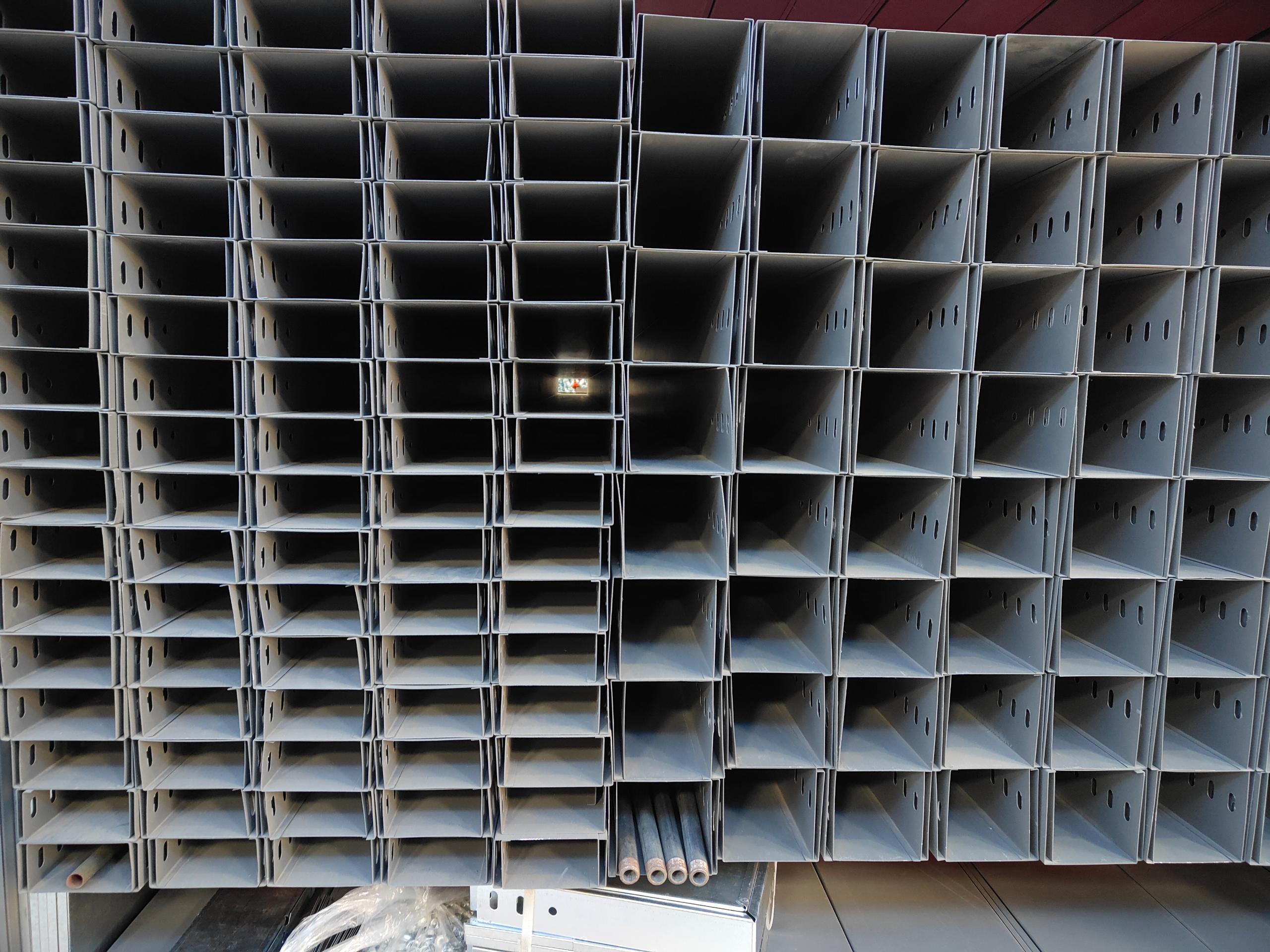 阳极氧化铝合金桥架
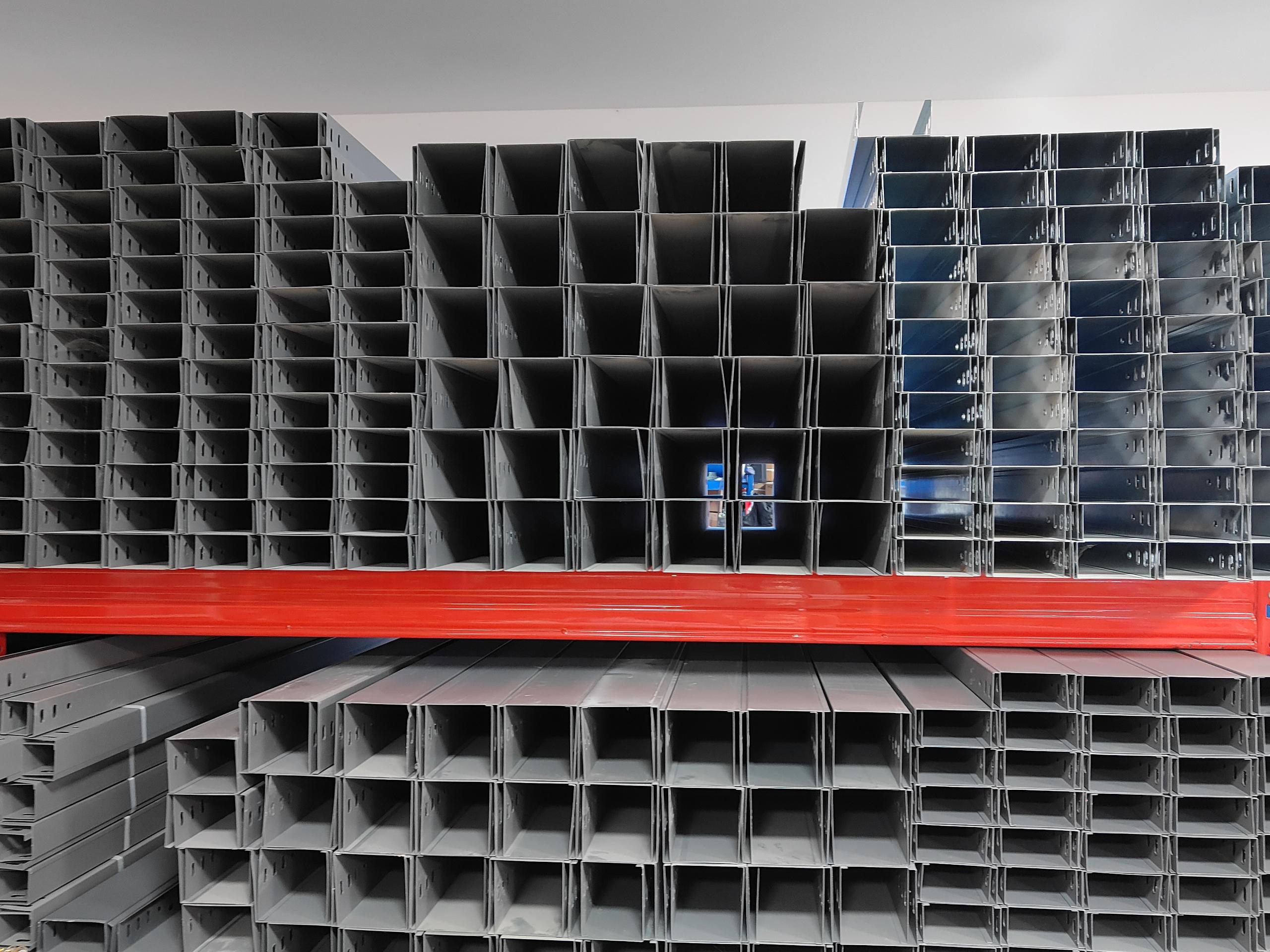 托盘式电缆桥架
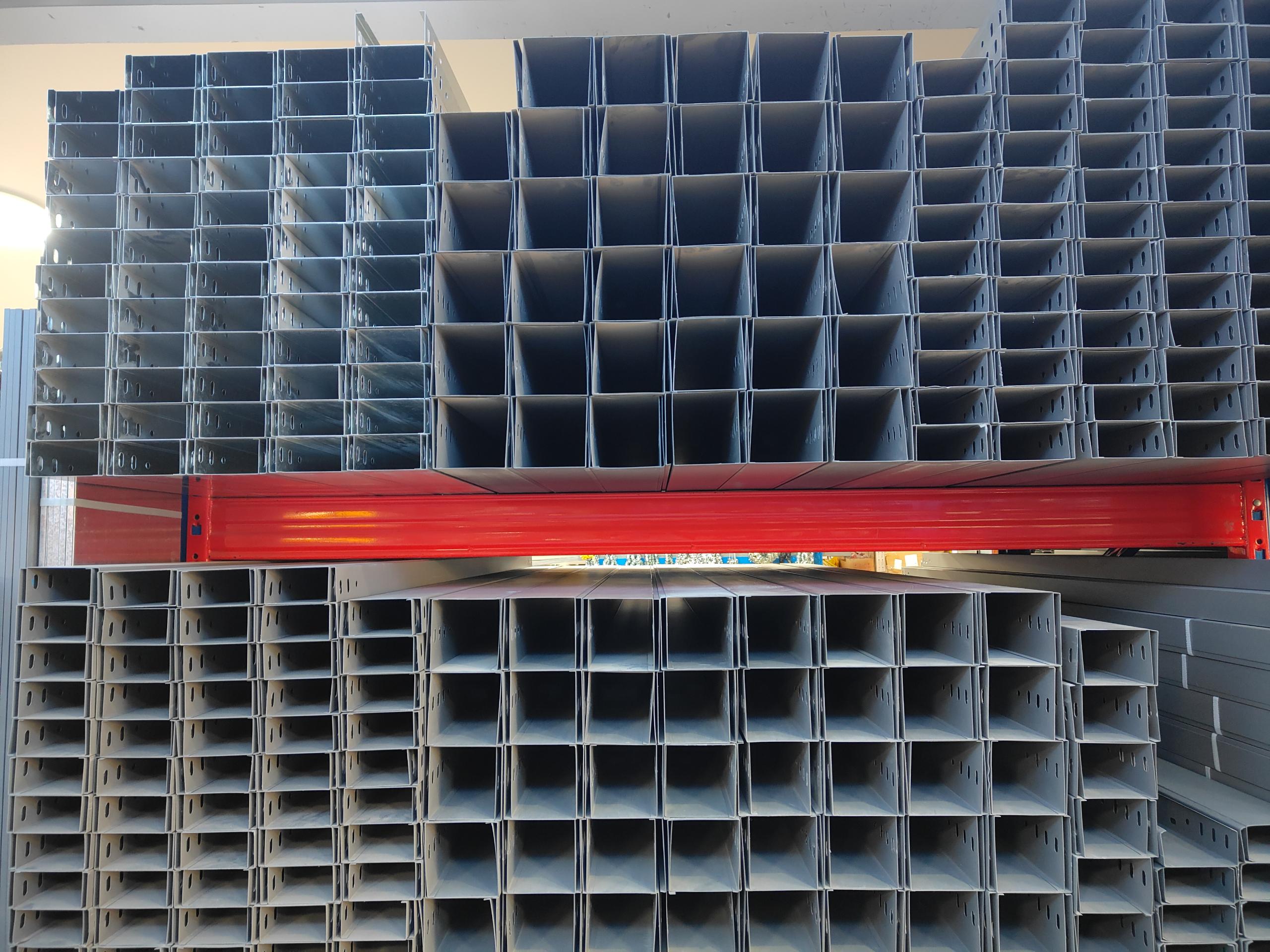 梯式电缆桥架
 梯式不锈钢电缆桥架
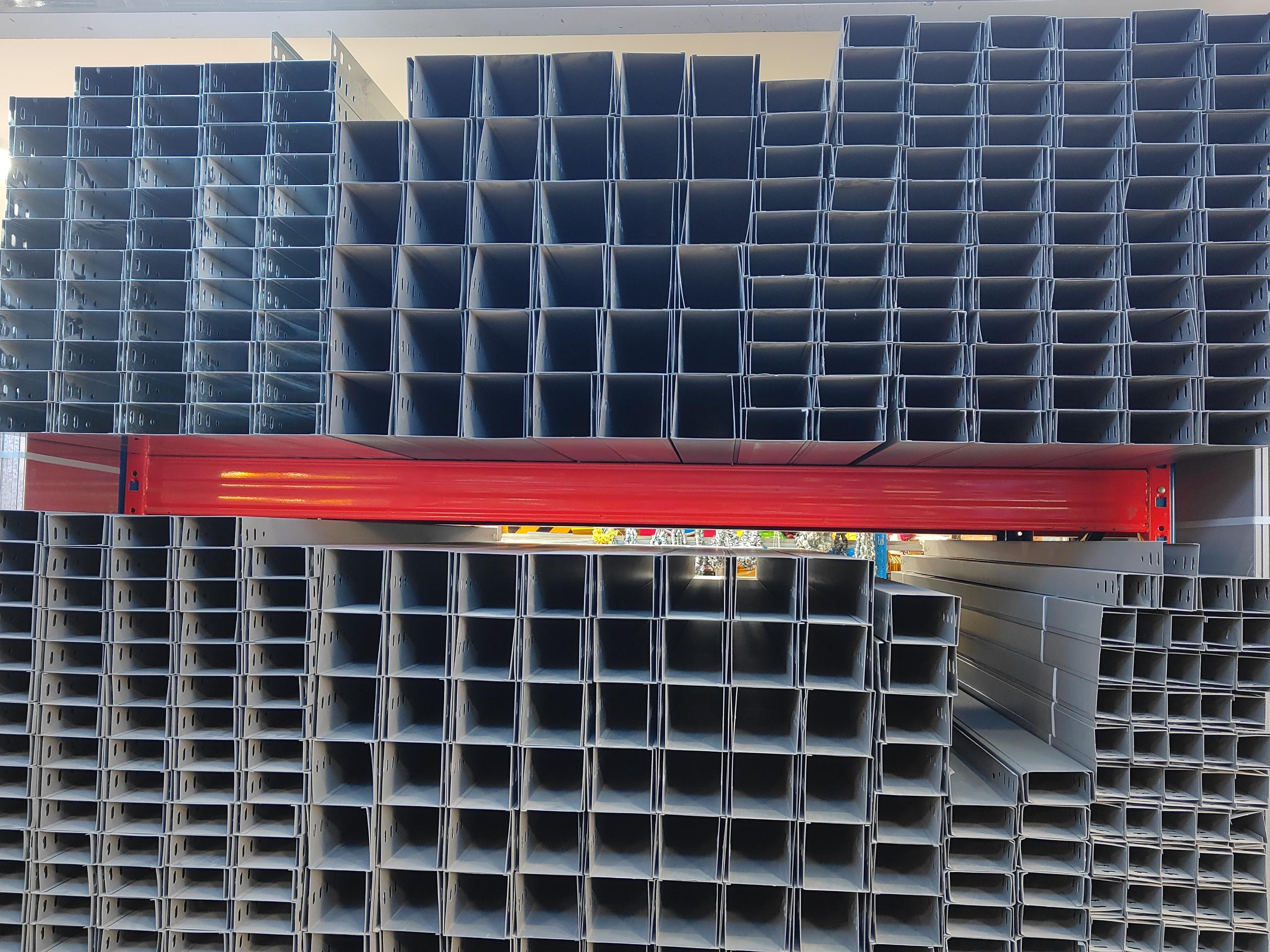 深灰色金属防火电缆桥架